A QUICK GUIDE TO THE CLOUD FOR TEXAS BUSINESSES
You know how it goes. A camera goes offline, or an access control reader acts up at the most inconvenient time. Instead of focusing on your business, your day gets derailed by waiting for a technician to drive out, diagnose the issue, and physically swap out parts.
In the commercial security world, relying on older, on-premise data hardware often means dealing with continuous, time-consuming maintenance. It's not just the hardware that fails; it's the constant need for manual updates and on-site troubleshooting that drains your time and resources.
If you run a business in Texas, you don't have the bandwidth to manage flaky systems or deal with unexpected service calls. Here’s a better option.
on Tuesday, 12 May 2026.
Remove the Complexity of Server-Based Architecture
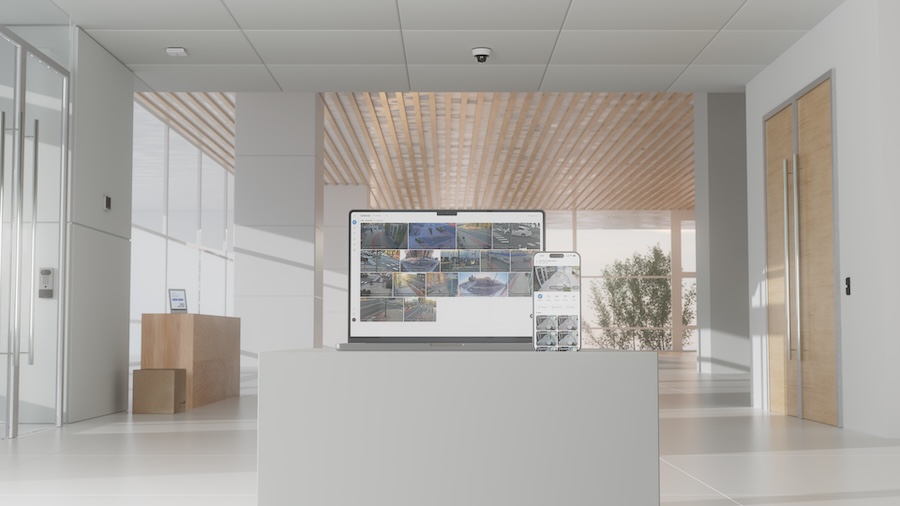
“The cloud" is often discussed in abstract terms. But it’s rather practical once you understand how it works. In physical security systems, local server hardware stores data and surveillance footage, and needs to be housed somewhere in your building. With the cloud, these physical servers are replaced with a browser-based management interface.
More and more Texas businesses are moving their security systems to the cloud in 2026. Here’s why.
on Wednesday, 06 May 2026.
Security Management Without the Commute
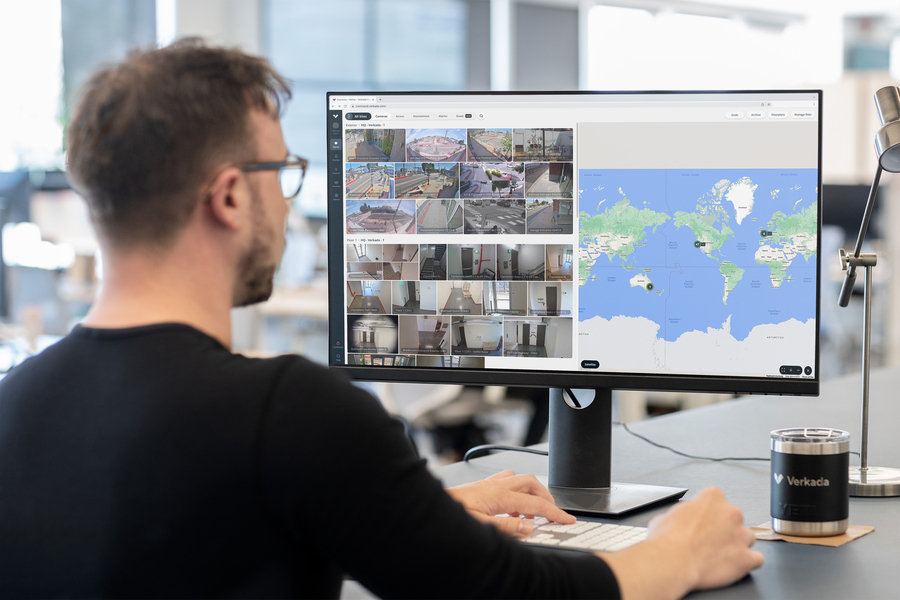
Maintaining a physical presence at every facility was once a requirement for effective security. But today, managing your business’s security is about centralized control, accessible from any location.
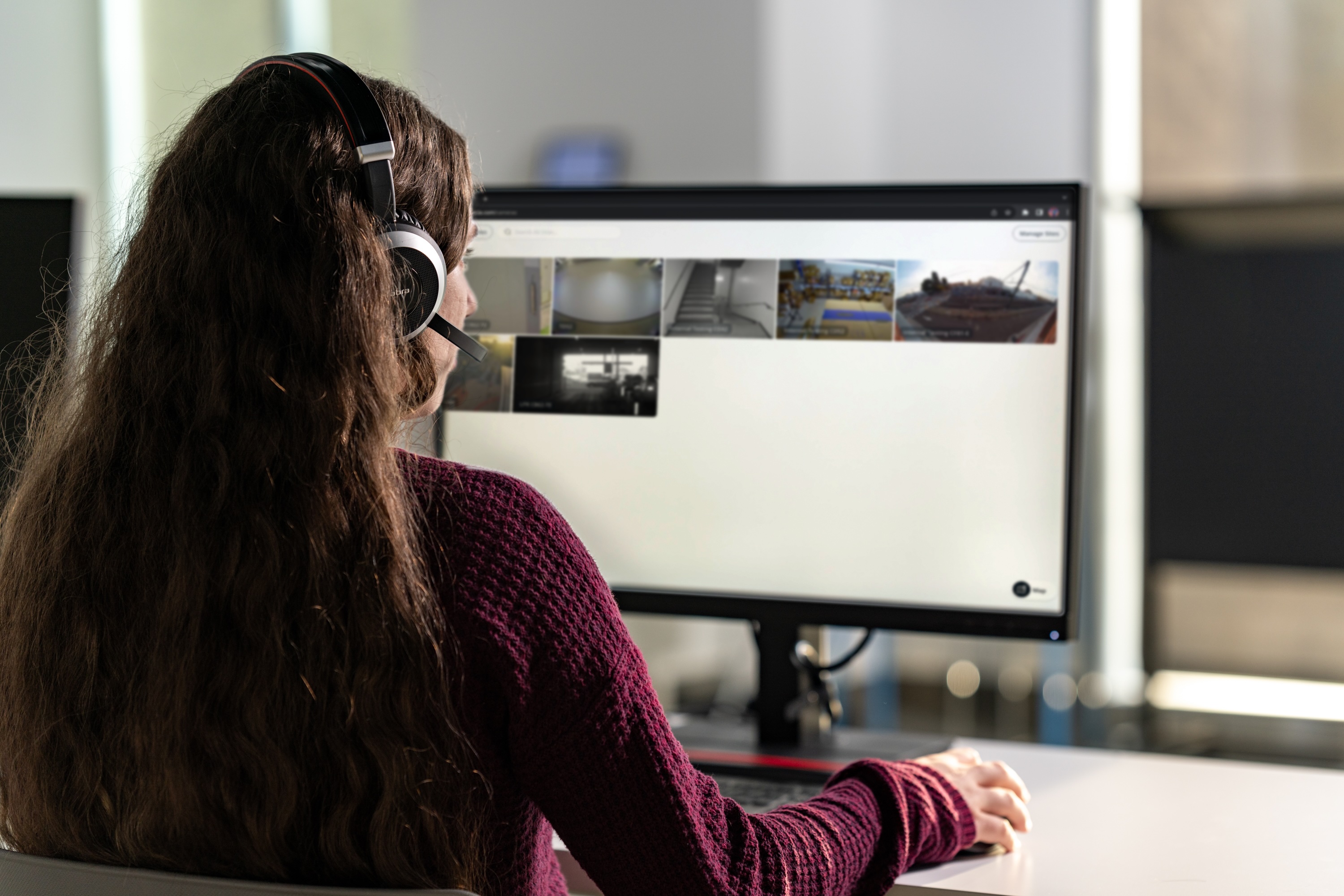
Whether you’re overseeing a multi-acre refinery or a high-rise financial campus, the ability to monitor, manage, and respond from a single dashboard changes the operational math of your business. It’s no longer about "being there," but about having total visibility regardless of your physical location.
on Tuesday, 21 April 2026.
How to Standardize Your Security Architecture for Risk-Free Multi-Site Growth

When you’re scaling a Texas enterprise from a single headquarters to a regional network, security shouldn’t be the thing that holds you back.
Yet, for many Facility Directors and CIOs, expansion often triggers two specific nightmares: dangerous security gaps during the transition and the crushing manual labor of managing fragmented systems.
If your team is currently juggling inconsistent hardware and siloed databases across Austin, Houston, and Dallas, you aren't just facing friction; you’re facing a mounting liability.
Eliminate Dashboard Fatigue
The greatest barrier to rapid growth is the requirement to log into different systems for every building in your organization.
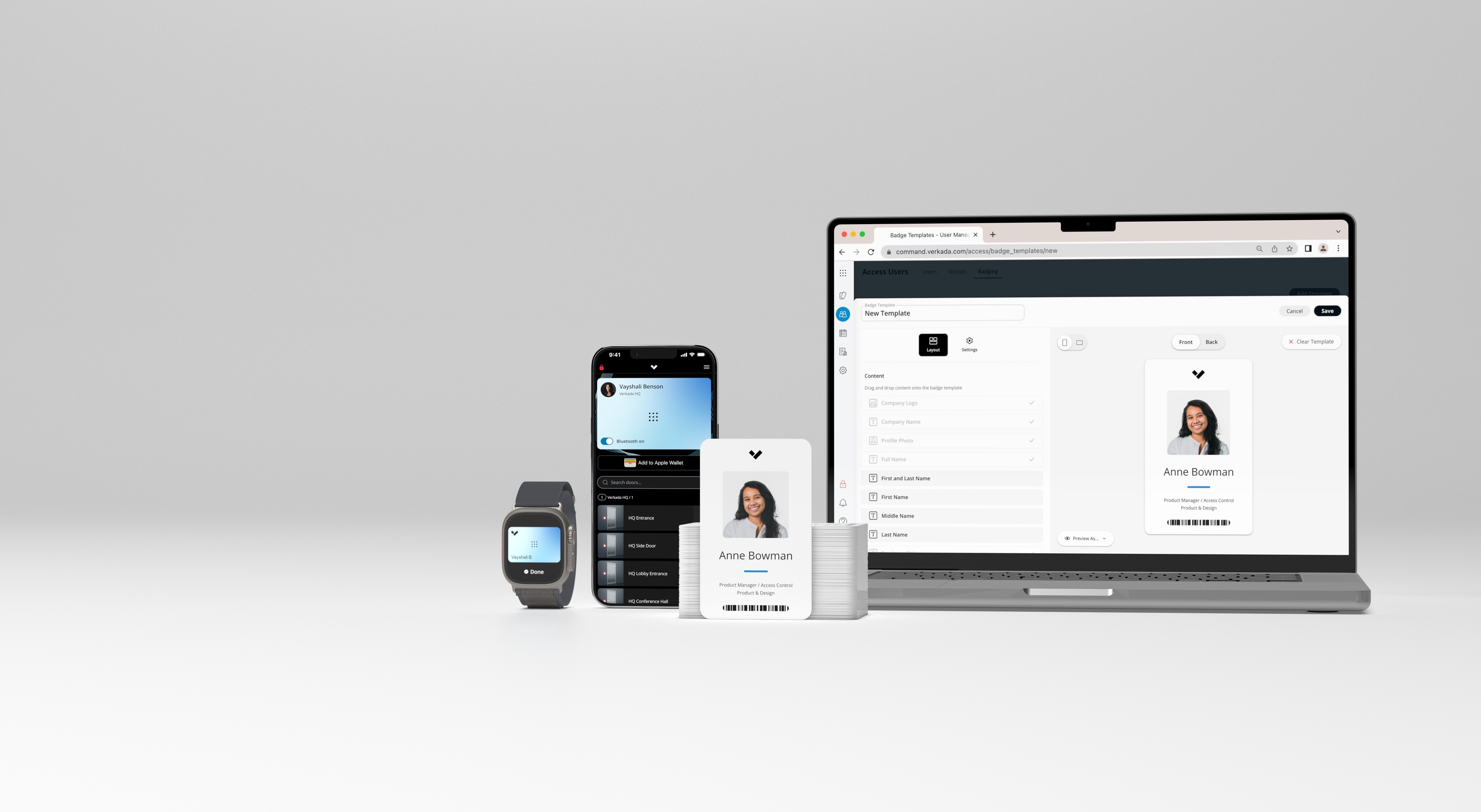
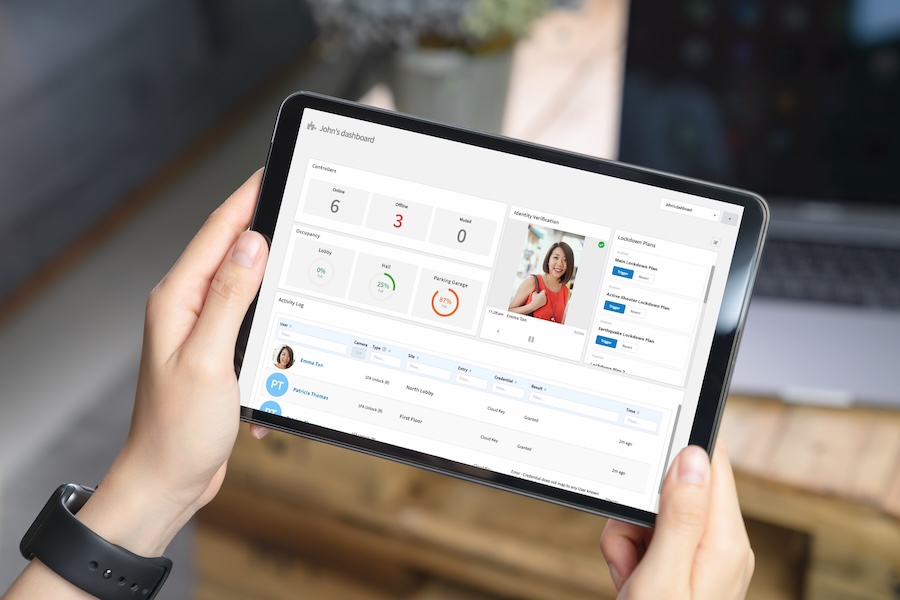
By moving to a unified, cloud-based architecture (powered by industry leaders like Verkada), you consolidate video surveillance, access control, and environmental sensors into a single pane of glass. This means your team can manage permissions for a Houston data center and monitor footage in an Austin satellite office simultaneously. You stop retraining staff on new software at every site and start operating from one familiar, high-performance platform.
on Wednesday, 15 April 2026.
How Centralized Security Brings Clarity to Complex Operations
Managing security across multiple locations often turns into a patchwork of systems. Different logins. Different rules. Different ways of doing the same task. It slows teams down and leaves room for mistakes.
A unified security platform fixes that. Instead of juggling multiple tools, your team operates from one interface that shows every site, every door, and every camera in real time.
For multi-location businesses in Houston and beyond, that shift immediately clears up confusion. Here’s how it works.
on Friday, 20 March 2026.
Get a System That’s Ready for Whatever the Future Holds
A company opens a second location. A hospital adds a new wing. A university expands its campus. Suddenly, the original security system no longer fits. Cameras run on separate software. Access control systems don’t communicate. Administrators manage multiple logins across different buildings.
You’re left dealing with a patchwork system that becomes harder to manage each year.
A better approach is to design security with growth in mind from the beginning. With centralized platforms, modular hardware, and cloud-first architecture, your business can expand its protection without redoing the system when you plan to expand in the future.
Below are the foundational decisions that make a security system scalable for years to come.
on Wednesday, 11 March 2026.