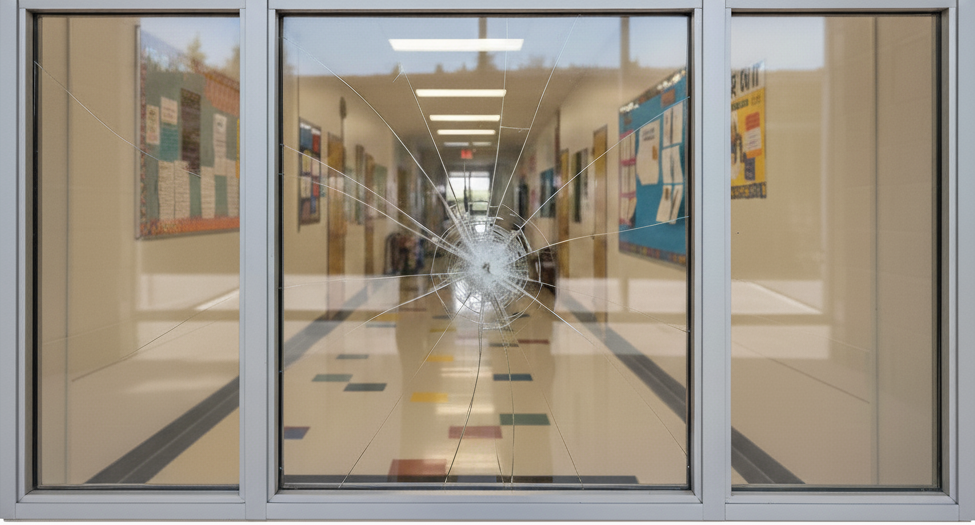
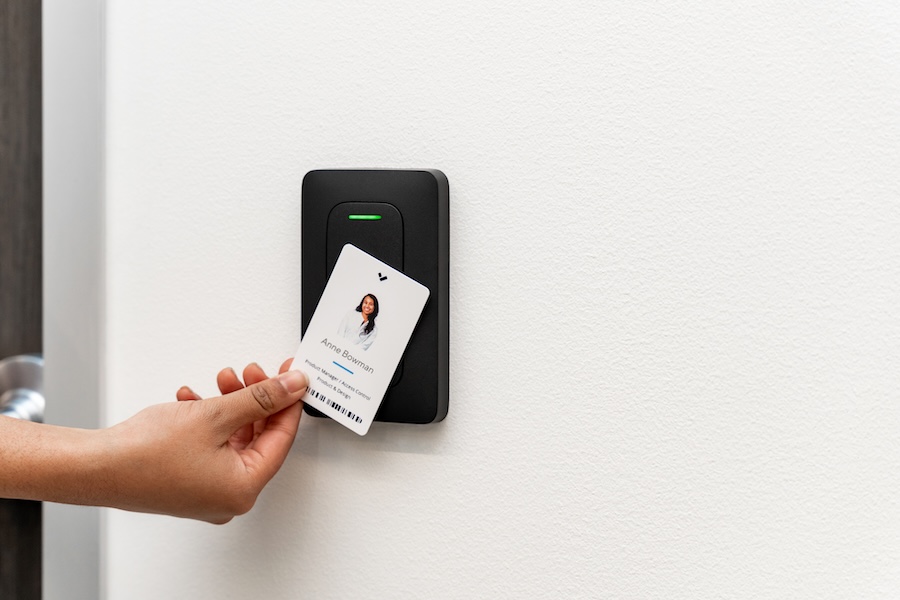
School security plans often focus on cameras, access control systems, and emergency communication protocols. Forgotten in all that are the windows lining your campus. Windows are common weak points exploited during a forced entry. That’s why many school administrators are turning to security film to reinforce them.
When applied correctly, security film holds glass in place under impact. Along with delaying intruders, it also protects students from glass. For Houston-area administrators evaluating their security options, it’s essential to select the right film type and understand what distinguishes reliable providers from impostors.
SEE MORE Projectile-Resistant Film Meets Texas School Safety Requirements
Know the Types of Security Film
Not all films serve the same purpose. Some are designed for safety and code compliance, while others are engineered to reinforce glass against break-ins. Here’s how they differ:
Safety Film
This type of film is made to prevent glass from shattering into sharp fragments. It reduces the risk of injury during accidents or natural disasters, but doesn’t add much resistance during an attempted break-in. Safety film works well for interior applications, but is not recommended for vulnerable exterior windows.
Security Film
Security film is thicker and stronger to withstand repeated impacts. It keeps broken glass attached to the frame, making it harder for someone to breach the opening. Security films typically range in thickness from 4 mil to 15 mil. For school applications, an eight-mil or 12-mil film paired with edge anchoring is often the most effective option.
Solar Film
Solar film reduces glare and heat, while also providing UV protection. It can improve classroom comfort and energy efficiency, but it doesn’t significantly enhance intrusion resistance. Solar film is sometimes layered with security film to address both needs, but it should never replace security-grade material in vulnerable locations.
Combination Film
These films combine impact resistance with solar control. They're especially useful for schools looking to meet safety standards while managing indoor temperatures and light levels. If your team is balancing energy goals and security planning, a combination film may offer the best return on investment.
What Houston Schools Should Prioritize
When selecting security film for a school facility, focus on real performance, not marketing terms. Look for documentation showing compliance with ANSI or ASTM testing standards. Films should be thick enough to resist forced entry and should be installed with an edge-anchoring system that bonds the film to the window frame.
Visibility also matters. While some schools opt for tinted film for added privacy, many prefer clear film to maintain lines of sight into common areas and entrances.
What Are Security Film Red Flags to Watch For?
Unfortunately, not every installer is equipped to handle institutional security needs. Be cautious of vendors that:
- Skip over film testing or safety data
- Don’t include anchoring systems in their proposals
- Push one-size-fits-all products without assessing your building
- Lack experience working with schools or large campuses
The performance of security film depends heavily on how it’s installed. A poorly anchored or incorrectly applied product won’t offer the resistance schools are counting on.
Better Glass Protection Starts Here
Security film provides Houston schools with a way to harden vulnerable glass without replacing windows or altering the building’s design. It’s cost-effective, discreet, and easy to pair with other upgrades like access control and video monitoring.
ASAP Security helps administrators evaluate their buildings, select the right film type, and coordinate professional installation that meets real-world demands. If you’re building a stronger perimeter without overcomplicating your project timeline, we’re here to help.