For years, the gold standard for commercial security was high-quality forensic evidence. Property managers and school administrators relied on surveillance systems to tell them exactly what happened after an incident. While having a clear record of an event is great for insurance claims and investigations, it does little to mitigate the immediate risk to people or property.
Today, the industry is shifting away from this purely reactive model. A proactive security approach utilizes advanced analytics to identify and neutralize threats before they escalate into significant losses.
The Problem With Reactive Security
Traditional security often consists of disparate systems: cameras that record to a local server, an alarm that triggers a siren, and access control that locks doors. The primary weakness of this approach is the "gap of inaction." Between the moment a perimeter is breached and the moment a manager reviews the footage, the damage—whether theft, vandalism, or a safety breach—is already done.
Reactive security provides a history lesson, but proactive security provides a solution in the moment.
Smart Alerts Put You in the Driver's Seat
The first pillar of a proactive strategy is the use of edge-based analytics. Modern platforms like Verkada utilize advanced analytics to distinguish between a stray animal and a human loitering near a restricted entrance after hours. These analytics allow for the following features:
- Person of Interest (POI) Alerts: Use computer vision to identify repeat offenders or known unauthorized individuals the moment they appear on camera.
- Intelligent Loitering Detection: Trigger immediate alerts if a person or vehicle remains in a specific zone—such as a loading dock or school playground—for longer than a predefined threshold.
- Real-Time Audio Intervention: Integrate horn speakers to deliver automated or manual talk-down messages to deter an intruder before they attempt a break-in.
Get a Bird’s Eye View of Your Property
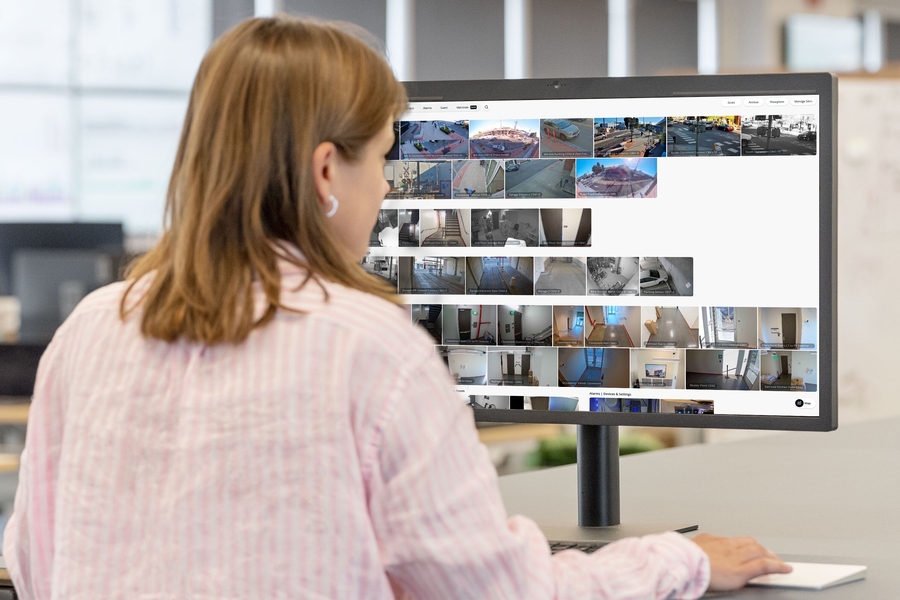
A proactive approach requires a "single pane of glass" for management. For property managers overseeing multiple buildings or a sprawling educational campus, jumping between different apps and hardware platforms delays response times.
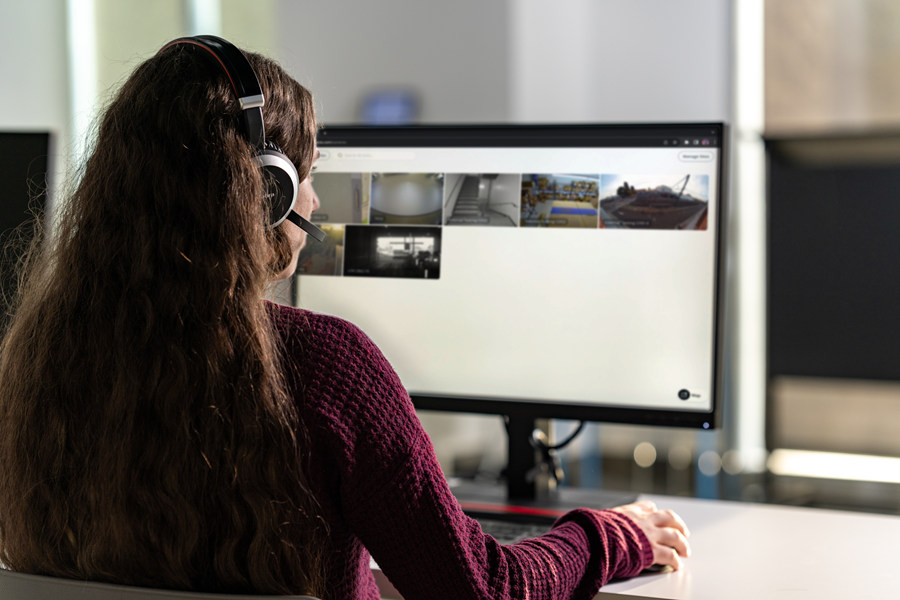
Centralized platforms like Verkada Command allow for real-time monitoring of every access point, camera feed, and air quality sensor from one unified dashboard. Furthermore, proactive systems include health monitoring services. Rather than discovering a camera is offline only after an incident, these systems alert your service provider the moment a hard drive fails or a connection is lost so they can resolve the issue quickly.
What Is the Best Way to Upgrade Your Security?
To create a proactive security system, you need to look beyond the hardware. Instead focus on the overall design and interconnections between your different security systems.
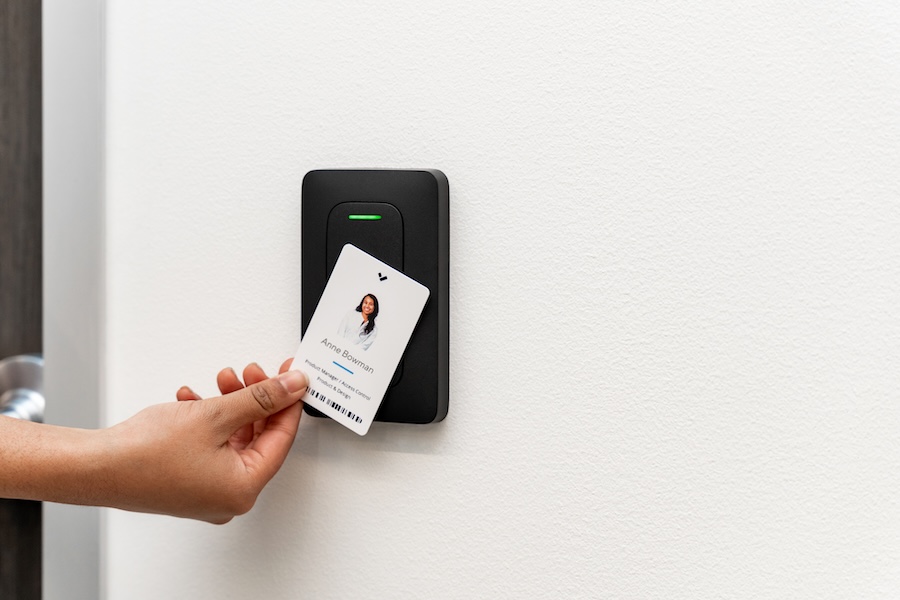
- Native Integration: Ensure access control and video surveillance communicate so that a "door forced open" event automatically pulls up the nearest camera feed for instant visual verification.
- Emergency Lockdown: Administrators initiate a campus-wide lockdown from a mobile device in seconds.
- Gunshot Detection Integration: Pair acoustic sensors with your video platform to automate lockdowns and provide first responders with a live view of the threat's location.
- Professional Monitoring: Use 24/7 video verification to screen out false alarms and ensure priority police response for genuine threats.
Is your current security system doing more than just recording history? Contact ASAP Security Services today to schedule a comprehensive facility audit. Our experts will help you design a proactive strategy tailored to the specific needs of your Texas property or campus.