Are you sure that your security system is doing its job? Many times, small issues are happening behind the scenes without you knowing. A camera drops offline. A door reader stops reporting activity. Firmware falls behind on vital security patches. Meanwhile, on the surface, everything still looks normal.
As these problems accumulate, they create blind spots and vulnerabilities you don’t notice until there’s an active incident, and it’s too late. As you look at vital components for your security system, you shouldn’t just focus on the hardware. You also need to consider steps to guarantee system upkeep. That’s why system health monitoring should be a part of any installation package.
Designing a Security System With Reliable Uptime
Security systems only deliver value when they are online, recording, and communicating properly. If one component fails, the rest of the system may still operate fine. And as time passes, that partial failure can become harder to detect and more damaging.
This spotty uptime makes it hard to respond to issues since it will affect your access to video evidence and access history. It happens in the form of an offline camera that leaves you without vital security footage. Or a disconnected access reader that delays operations and makes your security logs unreliable. These gaps increase risk even when the system appears active.
System upkeep shouldn’t be an IT concern separate from your security installation. It is a core part of your protection package. You need a system that gives you confidence that coverage is available when it is needed.
What Failures Create the Biggest Blind Spots?
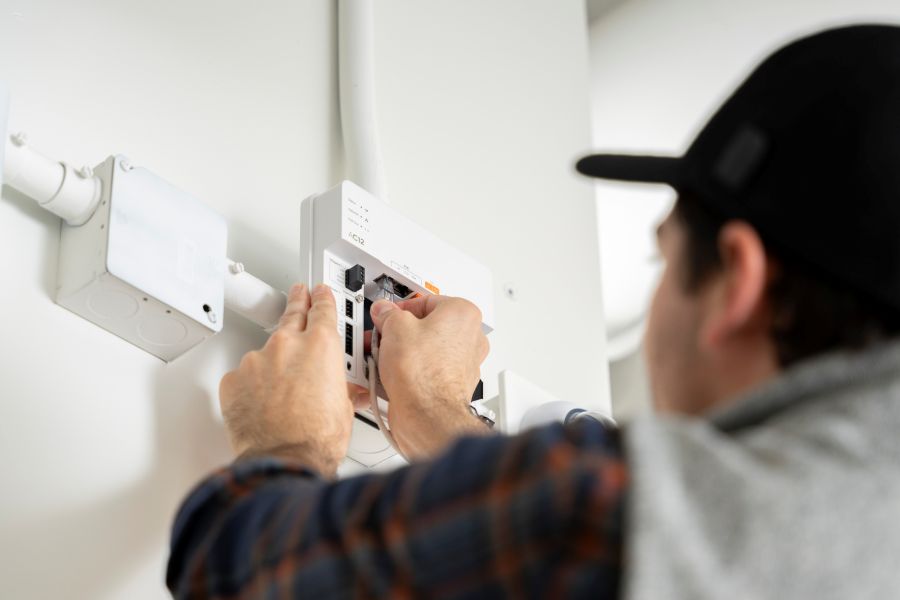
Most security blind spots come from a short list of common issues. These problems build slowly and often go unnoticed without active monitoring. Below are some of the ones that our technicians see regularly during system health checks:
- Camera Outages: Cameras can go offline due to power or connectivity issues. In other cases, cameras stop recording or storing footage correctly. That leaves your property without valuable footage. Video quality can also degrade over time, which limits identification and evidence.
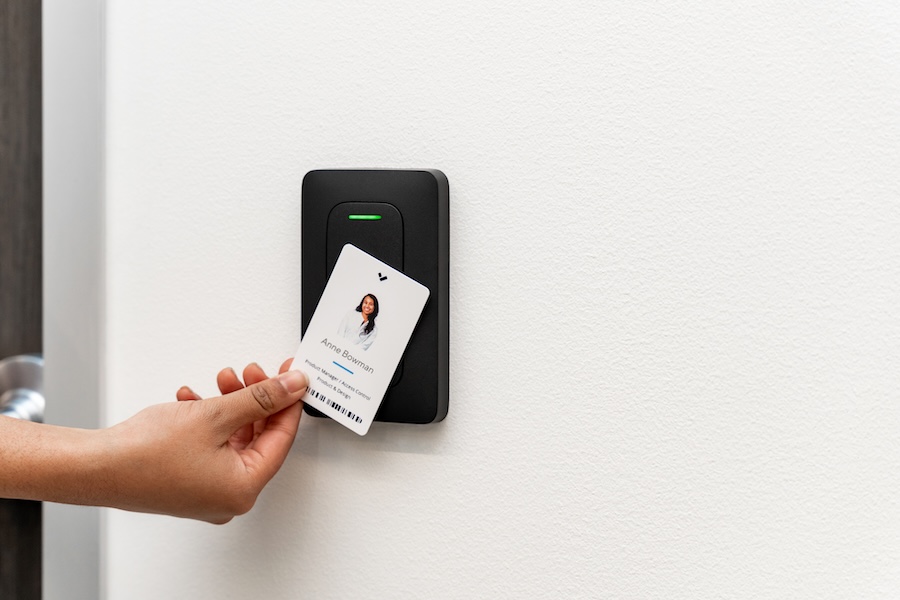
- Disconnected Access Control: Access readers and controllers rely on constant communication with the system. When disconnected, readers may still function, but the data is not shared with the system. Missing log entries slow investigations and reduce visibility into who accessed a space and when.
- Outdated firmware: Firmware updates address stability issues and known vulnerabilities. When devices don’t stay on top of their updates, they may behave unpredictably and be exposed to unnecessary risk. T
How Does System Health Monitoring Help?
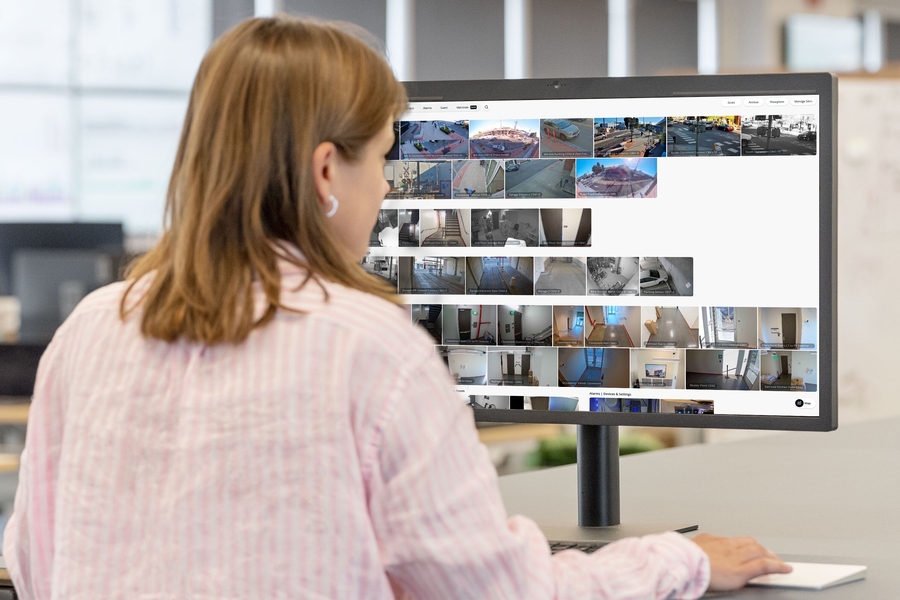
System health monitoring focuses on whether security devices are working as expected. Remote monitoring software tracks online and offline status across cameras, access control hardware, and supporting infrastructure. It checks recording health, storage capacity, and retention timelines. It verifies communication between readers, panels, and management software. It also checks for updates and puts them through immediately.
When something goes wrong, the right people know quickly. Remote diagnostics help identify likely causes such as power, network, storage, or firmware issues. Many problems can be resolved without waiting for an on-site visit. Issues get resolved before putting your company at risk.
If you want confidence that your security systems will be there when it matters, it helps to work with a provider that monitors health continuously and manages issues before they escalate. At ASAP Security Services, our work doesn’t stop at installation. We offer ongoing monitoring to keep your system reliable. To learn more about our services, call or fill out our contact form.